Popular articles
The most read articles that have been shared by New Internationalist subscribers.

White flamingos and lithium frenzy
555 - May, 2025
Shared 1,704 times.
Oasis of life – or zone of sacrifice? The fate of Chile’s culturally and environmentally rich salt flats may be decided by a lithium rush to double output. Vanessa Baird reports from the Salar de Atacama.
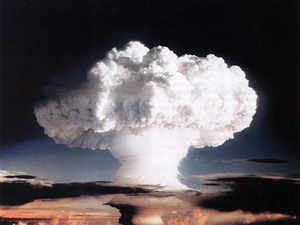
Flashpoints to fallout
559 - January, 2026
Shared 824 times.
Could the threat of nuclear war be closer than ever? Amy Hall explores how we got here and the pathways out of the crisis.
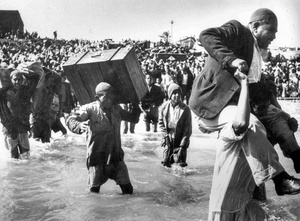
Genocide, unmasked
558 - November, 2025
Shared 725 times.
Ilan Pappé dissects the language of genocide used throughout the Zionist movement, from the hidden orders of early military leaders to the lips of Israeli ministers on live TV.

No resistance without Palestine
554 - March, 2025
Shared 918 times.
Without a reckoning over their support for Israeli genocide, the US Democrats are doomed to fail, argues Decca Muldowney.
The janitors of the internet
560 - March, 2026
Shared 311 times.
Adio-Adet Dinika explores the hidden stories of the workers who prop up artificial ‘intelligence’, and their efforts at organized resistance.

Congo’s cobalt curse
555 - May, 2025
Shared 508 times.
Corruption, pollution and child labour have long blighted the DRC’s cobalt industry. But is there any way of turning the country’s critical mineral wealth into a blessing rather than a burden? Cat Rainsford investigates.

Activism = Terrorism?
563 - September, 2026
Shared 95 times.
The Empire Strikes Back. Across the globe governments are using terrorism laws to prosecute protesters. Decca Muldowney traces the practice back to its colonial origins, and considers the future consequences for activism.

A time of monsters
557 - September, 2025
Shared 347 times.
In an age of crisis, despair is the currency of the global far right. How, asks Bethany Rielly, can we turn this reactionary tide?

Between the sword and the neck
558 - November, 2025
Shared 297 times.
Palestinian resistance lives in the rifle, the pen, the olive tree and the memory of the land, writes Tahrir Hamdi.

Rights reversal
560 - March, 2026
Shared 211 times.
With José Antonio Kast poised to govern, Chilean activists warn that promises of order and austerity mask a looming rollback of human, Indigenous and women’s rights hard won since the Pinochet era. Ali Qassim reports.

Mixed Media: Books
556 - July, 2025
Shared 298 times.
Global Battlefields; Logging Off; Love in Exile; Flesh.

Hospital staff vs Milei
558 - November, 2025
Shared 224 times.
Defying Milei’s austerity, Argentina’s paediatric hospital workers are leading a nationwide fight to save public healthcare from collapse. By Maia Pauro.
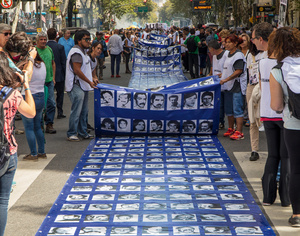
A past denied
556 - July, 2025
Shared 269 times.
To confront the atrocities of its military dictatorship, Argentina introduced a range of lauded ‘memory and justice’ policies. Now the Javier Milei government is stoking denial of the past and undermining families’ fights for justice. Ali Qassim reports.

A History of Black Power
554 - March, 2025
Shared 296 times.
Veteran activist, academic and actor Gary Foley talks to Zoe Holman about the past and future of Aboriginal resistance.


Victory in defiance
553 - January, 2025
Shared 286 times.
Amy Hall explains how a group of determined activists ran one of the world’s biggest arms companies out of town.

The arms trade - The Facts
553 - January, 2025
Shared 238 times.
State of the industry; Deadly business; At the border; Who’s supplying whom?
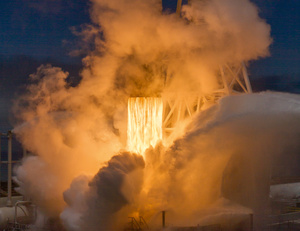
Who owns the skies?
562 - July, 2026
Shared 60 times.
A new space race is set to worsen global inequality and extend conflict. We need to return to seeing space as a place for all humankind, argues Nick Dowson.
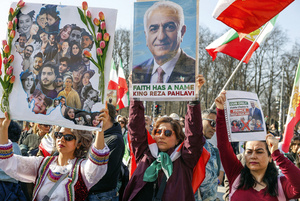
Reza Pahlavi: legitimacy cannot be televised
561 - May, 2026
Shared 73 times.
The West’s attempts to position the Iranian monarch’s son as a ‘credible’ alternative to the Khamenei regime isn’t resonating domestically, argues Peiman Salehi.

Can mining save the world?
555 - May, 2025
Shared 176 times.
They are touted as our way out of climate chaos and essential for making the things we use, from mobile phones to electric vehicles. Vanessa Baird sets out to investigate critical minerals – and the rush to get them.
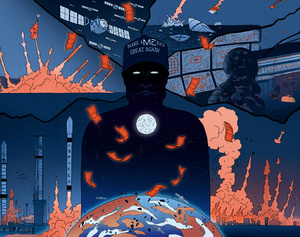
The billionaires’ playground
562 - July, 2026
Shared 31 times.
Tycoons like Musk may want us to believe it’s ok for them to trash the planet in service to dreams of space, but there’s no Planet B, astronomer Lucian Walkowicz writes.
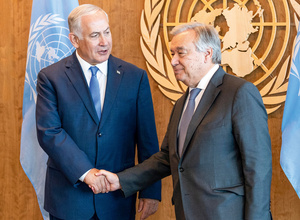
Global leadership vetoed
556 - July, 2025
Shared 31 times.
The modern failures of the United Nations are not an aberration – but a product of its imperial roots, argues Conrad Landin. So how can we create a functioning system for global co-operation?
My home is not your launch pad
562 - July, 2026
Shared 4 times.
Researcher Peter Howson reports on how the global scramble for new space launch sites is harming people – from Indonesia to the Sámi homelands of Scandinavia.
Merthyr rises once again
561 - May, 2026
Shared 4 times.
The Welsh Valleys have been shaped by centuries of extraction, with stark inequality laying the foundation for the rise of the far right today. But there are lessons to be learnt from its rich socialist history, and the solution is also close to home. Maxine Betteridge-Moes, Bethany Rielly and Lydia Godden report.

The New Internationalist is an independent bi-monthly not-for-profit magazine that reports on action for global justice. We believe in putting people before profit, in climate justice, tax justice, equality, social responsibility and human rights for all.
Find us:
- Twitter: @newint_au
- Facebook: @newint.au
- Instagram: @newint_au
- Youtube: niaustraliashop
- Apple: App Store
- Android: Play Store
Contact us:
New Internationalist acknowledges the Traditional Owners of Country throughout Australia and recognises their continuing connection to land, waters and culture. We acknowledge that these lands were stolen and sovereignty was never ceded. We pay our respects to Elders both past and present.
© Copyright New Internationalist 1973-2026. Except where otherwise noted, content on this site is licensed under Creative Commons.
Except where otherwise noted, images on this site are © the attributed photographer/illustrator or representative agency.