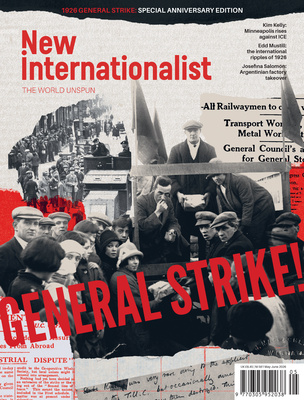
Trade Unions
A note from the editor

Workers make history!
That is the enduring lesson of the 1926 general strike. As we mark its centenary, we are reminded that today’s labour movement has inherited both the opportunities and the challenges forged by those who came before us.
From the power of the state – used then to break the strike, and now in restrictive anti-union laws – to the strength of solidarity, mass action and the cross-union co-ordination carried forward in today’s ‘megapickets’, the parallels are striking.
As we shape new aims, strategies and tactics, we owe the 1926 strikers a debt of honour.
But anniversaries are not simply moments to look back. They are a call to action. In every unorganized workplace, every under-attended branch meeting, and every barrier imposed by draconian strike thresholds, we see the challenges we must overcome. History reminds us that when workers act together – organized, determined and unafraid to challenge bad bosses and exploitative employers – change becomes possible.
This edition of New Internationalist brings together stories, testimonies and reflections on Britain’s last general strike, and asks what it will take to build the next one – wherever in the world that might be. We hope you find it as powerful and compelling as we have.
Henry Fowler for the New Internationalist co-operative.
www.newint.org
The big story
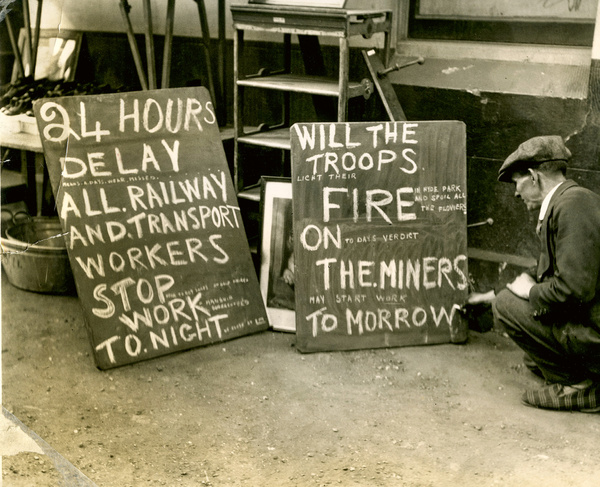
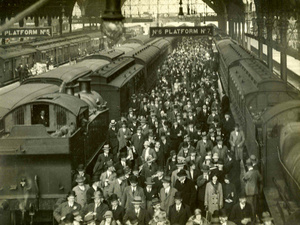
Placards at a train station during the general strike of 1926.
Photo: General Strike Photograph - GS071/People’s History Museum
The general strike
561 - May, 2026
From 1926 to 2026. A century on, Bethany Rielly and Decca Muldowney examine Britain’s only general strike, a walk out with a scale and impact that remains unprecedented in the country’s history. What can movements learn from it today?
The Big Story
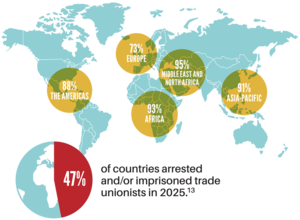
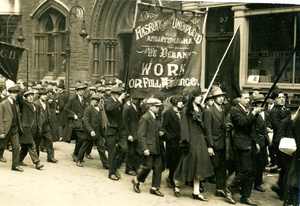
‘The meek shall inherit the earth’
561 - May, 2026
As millions of British workers downed tools in 1926, solidarity for the locked-out miners spread across the globe. Edd Mustill explores the forgotten international story that shaped the struggle.
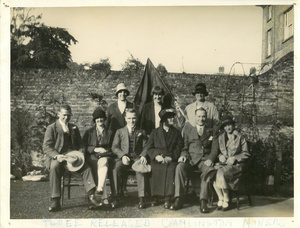
Voices from the Nine Days of Wonder
561 - May, 2026
The general strike of 1926 is often told through the voices of those who opposed it. Less known are the rich and diverse experiences of the working-class people who leapt to the defence of striking miners around the country: downing tools, setting up strike commitees and soup kitchens.
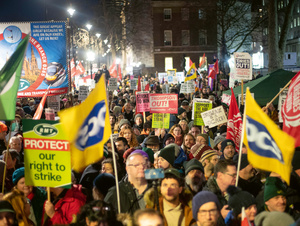
What stands between us and a general strike?
561 - May, 2026
Labour lawyer Franck Magennis talks to Decca Muldowney about the legacy of strike-breaking legislation.
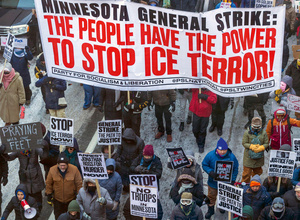
A General Strike by Any Other Name
561 - May, 2026
Minnesota’s victory over ICE shows how people are reclaiming and redefining the general strike for a new era, says Kim Kelly.
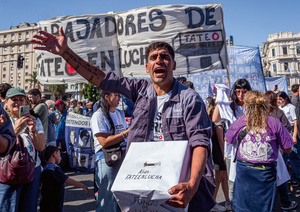
Reclaiming the collective
561 - May, 2026
Josefina Salomón and Patricio A Cabezas report on the workers resisting Javier Milei’s anti-labour agenda – from occupying factories to bringing the country to a standstill.
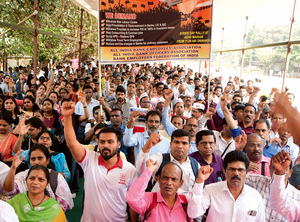
Strikes that shook the world
561 - May, 2026
Around the world, workers use the general strike as a strategy to win their demands and tip the balance of power in their favour.
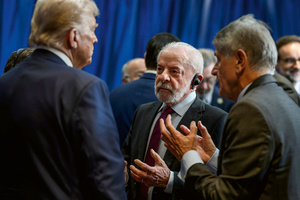
Brazil’s sovereignty
561 - May, 2026
As the state fragments, Lula’s assertions of national sovereignty have exposed the limits of his government’s power, writes Juliano Fiori.
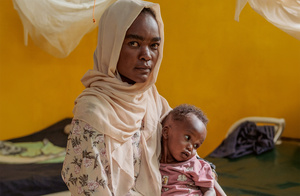
Surviving Sudan’s ‘man-made’ famine
561 - May, 2026
The city of Kadugli provides a devastating window on how starvation is being weaponized in war. Sophie Neiman and Guy Peterson speak to some of those who have fled the siege and are struggling to survive.
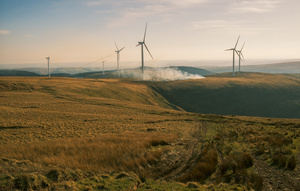
Merthyr rises once again
561 - May, 2026
The Welsh Valleys have been shaped by centuries of extraction, with stark inequality laying the foundation for the rise of the far right today. But there are lessons to be learnt from its rich socialist history, and the solution is also close to home. Maxine Betteridge-Moes, Bethany Rielly and Lydia Godden report.
Comment

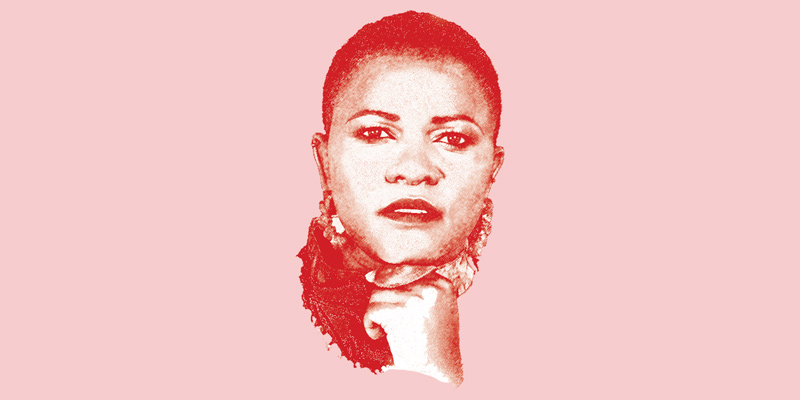

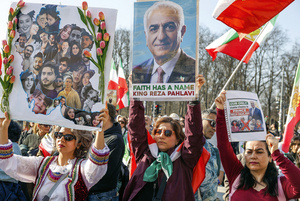
Reza Pahlavi: legitimacy cannot be televised
561 - May, 2026
The West’s attempts to position the Iranian monarch’s son as a ‘credible’ alternative to the Khamenei regime isn’t resonating domestically, argues Peiman Salehi.
Currents
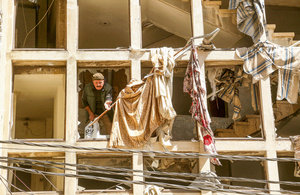
Under Fire
561 - May, 2026
For Lebanon’s migrant workers, war compounds a crisis of exploitation, displacement and neglect. By Paul Hefel-James.

Prioritizing Stability
561 - May, 2026
As missiles cross Jordanian skies, ordinary life continues beneath the weight of regional war and economic uncertainty. By Yamuna Matheswaran.
Internet Apartheid
561 - May, 2026
As war deepens and internet access becomes a tool of political control, many Iranians are being cut off from both information and each other. By Rebecca Ruth Gould.
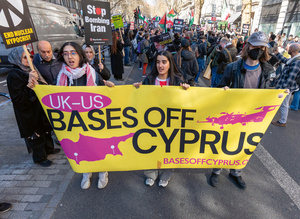
Bases out
561 - May, 2026
As regional conflict intensifies, many Cypriots fear Britain’s military bases are turning their island into a frontline. By Futura D’Aprile.
Predatory Debt
561 - May, 2026
As Ethiopia seeks debt relief amid economic crisis, private lenders are pursuing legal action for bigger profits. By Tim Jones.

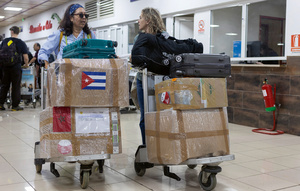
Breaking the siege
561 - May, 2026
As US sanctions deepen Cuba’s energy crisis, international activists are attempting to deliver aid and challenge the decades-long blockade. By Maxine Betteridge-Moes.

Introducing... Greenland Resistance
561 - May, 2026
Inuit communities across the Arctic are resisting Donald Trump’s plans for Greenland, warning against a new era of colonial control. By Richard Swift.
Regulars
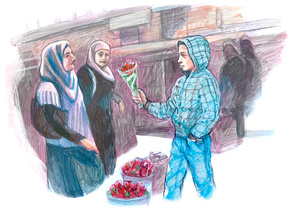
‘I’m sorry’
561 - May, 2026
Mariam Barghouti reflects on what it means when communities built on hospitality can no longer support their neighbours.


Southern Exposure: Pham Văn Ty
561 - May, 2026
Highlighting the work of artists and photographers from the Majority World.

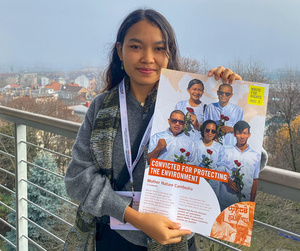
‘Environment of hope’
561 - May, 2026
Lisa Mean, a member of the persecuted activist group Mother Nature Cambodia, speaks to Magdaléna Rojo about how young people are standing up for the environment against Cambodian elites.
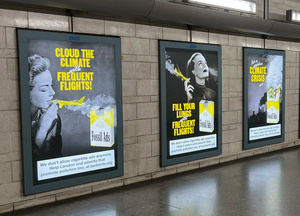
Temperature Check
561 - May, 2026
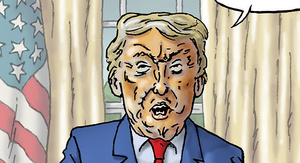
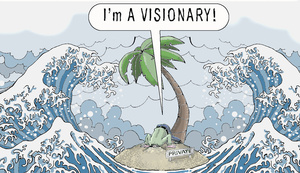
Taking down fossil fuels, one billboard at a time. Words by Danny Chivers.
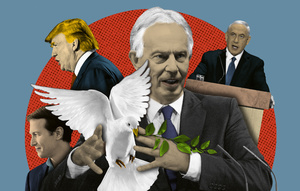
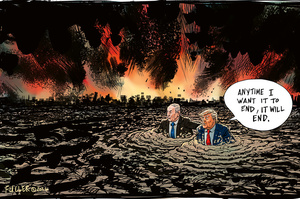
Hall of Infamy: The Board of Peace
561 - May, 2026
To bring ‘peace and stability’ to the Middle East.

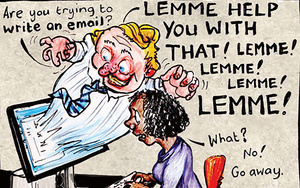
Agony Uncle: Opinions about war
561 - May, 2026
Struggling with an ethical dilemma? New Internationalist’s Agony Uncle can help you find answers in our troubled political times.
Film, Book & Music Reviews

Mixed Media: Books
561 - May, 2026
Days of Love and Rage; Pharma Monopoly; The Villain’s Dance; Wilderness of Mirrors.


Books Essay: Shock and awe
561 - May, 2026
A mythical history of the female body turns scholarly material into a thrilling narrative – but makes a few too many leaps of faith. By Orla Polten.

The New Internationalist is an independent bi-monthly not-for-profit magazine that reports on action for global justice. We believe in putting people before profit, in climate justice, tax justice, equality, social responsibility and human rights for all.
Find us:
- Twitter: @newint_au
- Facebook: @newint.au
- Instagram: @newint_au
- Youtube: niaustraliashop
- Apple: App Store
- Android: Play Store
Contact us:
New Internationalist acknowledges the Traditional Owners of Country throughout Australia and recognises their continuing connection to land, waters and culture. We acknowledge that these lands were stolen and sovereignty was never ceded. We pay our respects to Elders both past and present.
© Copyright New Internationalist 1973-2026. Except where otherwise noted, content on this site is licensed under Creative Commons.
Except where otherwise noted, images on this site are © the attributed photographer/illustrator or representative agency.