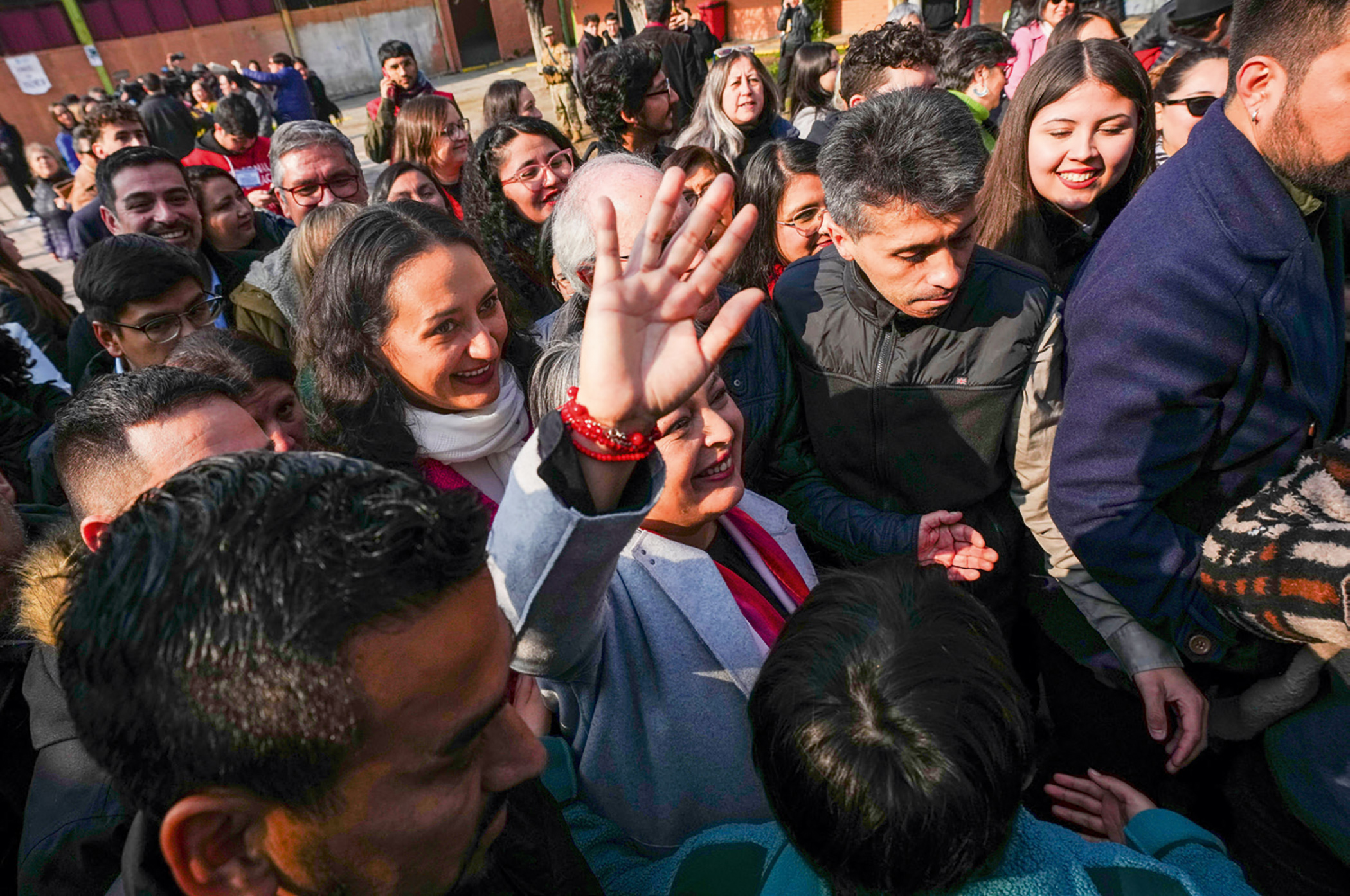
The victory by Communist Party member Jeannette Jara in Chile’s presidential primaries has given the country’s left a boost ahead of elections this November. Under former student-campaigner turned progressive President Gabriel Boric, Labour Minister Jara secured the nomination of the governing coalition, taking 60 per cent of the primary vote in late June.
Her pragmatic communist ideas, including radical tax reforms to better distribute wealth and strengthening the public health system, have proven popular in an economically polarised nation, although only around 9 per cent of eligible voters took part. An elite 10 per cent of Chileans hold roughly two-thirds of the nation’s private wealth, while half the country’s population has a negative wealth share due to debt.
Jara, a former lawyer, has been defined by her diplomatic approach and popular policies: under Boric she earned praise for a programme that increased the minimum wage and reduced the working week to 40 hours. She also saw through pension reforms, albeit notably short of Boric’s original promise to abolish the country’s private pension administrators.
After securing her place as the left’s candidate, Jara wrote on social media: ‘In the face of the threat from the far right, we respond with unity, dialogue and hope.’ She may, however, face an uphill struggle following Boric’s beleaguered term in office, in which constitutional reform has been stalled by a referendum loss and legislative progress stymied by an opposition-dominated senate.
